Netanyahu Warns Israel ‘Not Done Yet’ in Iran as Trump Support Raises Stakes in Escalating Conflict
March 10, 2026
by
0 Comments
39 Views
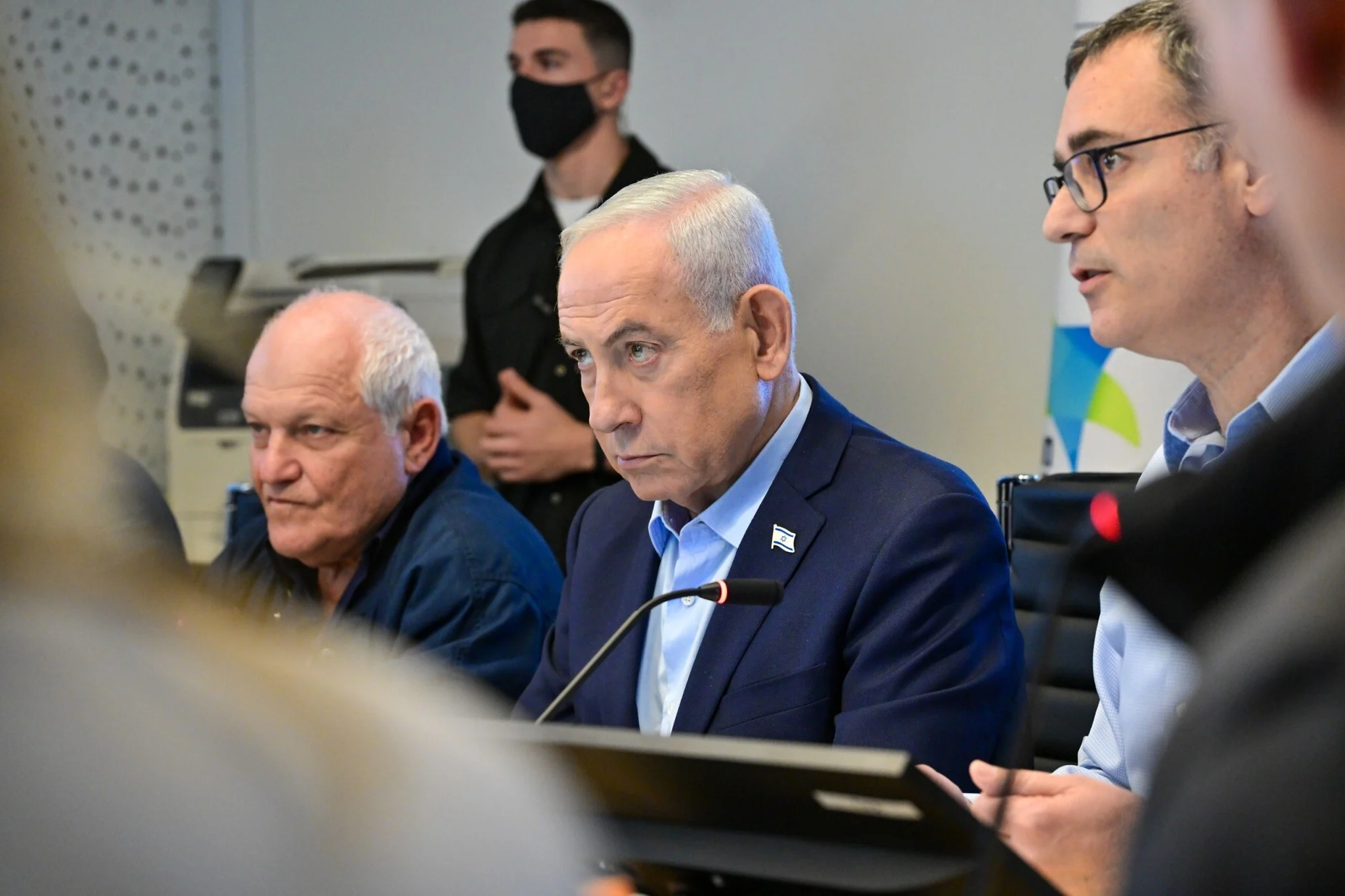
The ongoing conflict between Israel and Iran has intensified as Israeli Prime Minister Benjamin Netanyahu declared that Israel’s military campaign is “not done yet” in Iran. The statement came amid growing tensions across the Middle East and strong backing from former U.S. President Donald Trump, whose support for Israel’s strategy has significantly shaped the course of the conflict.
As the war continues to escalate, analysts say that while Trump’s backing gives Israel additional diplomatic and military leverage, it also introduces political and strategic risks that could affect regional stability and international relations.
Netanyahu Signals Continued Military Campaign
Prime Minister Benjamin Netanyahu has repeatedly emphasized that Israel’s operations against Iran are far from complete. In recent remarks, he said the campaign would continue until Israel achieves its strategic objectives.
Netanyahu has argued that Israel’s actions are directed against Iran’s leadership rather than the Iranian people. He has also called on Iranian citizens to challenge their government and seek political change, stating that the future of Iran ultimately depends on the will of its people to remove what he described as a “yoke of tyranny.”
The Israeli government claims the military campaign is intended to weaken Iran’s military capabilities and prevent threats against Israel. Officials believe that sustained pressure could reshape the regional balance of power.
Trump’s Support Strengthens Israel’s Position
Donald Trump has played a key role in backing Israel’s actions during the crisis. His administration has supported military operations targeting Iranian infrastructure and strategic locations.
Trump has stated that decisions about ending the conflict would be made jointly with Israel’s leadership, highlighting the close cooperation between Washington and Jerusalem during the crisis.
For Netanyahu, this level of support has provided both political cover and strategic advantages. U.S. diplomatic backing and military coordination have helped Israel expand its operations and maintain international influence during the conflict.
However, experts note that such strong alignment between the two leaders also carries potential risks.
Risks of Escalation in the Middle East
While the U.S.–Israel partnership has strengthened Israel’s position, the deepening conflict has increased concerns about broader regional instability.
The war has already expanded beyond Israel and Iran, with related clashes involving Iranian-aligned groups and military actions across several countries in the region.
Additionally, retaliatory missile and drone attacks have targeted various locations across the Gulf region, raising fears that more countries could become involved in the conflict.
Some analysts warn that prolonged military operations could trigger a wider regional war or draw additional global powers into the crisis.
Global Economic and Political Impact
The conflict has also affected global markets and international politics. Tensions around the Strait of Hormuz, a critical route for global oil shipments, have caused fluctuations in energy prices and raised concerns about disruptions to international trade.
Political leaders worldwide are closely monitoring the situation, urging restraint while preparing for possible economic consequences if the conflict continues to escalate.
Within the United States, the war has also sparked debate about the extent of American involvement and the long-term strategic goals of supporting Israel’s military operations.
Netanyahu’s Strategy and Domestic Pressure
Netanyahu faces significant pressure both internationally and domestically. While many Israelis support strong action against Iran, prolonged conflict can create political and economic challenges at home.
The Israeli government must balance its security objectives with concerns about regional stability and international diplomatic relationships.
Some defense experts argue that Israel’s long-term success will depend not only on military actions but also on diplomatic efforts to prevent further escalation.
Future of the Conflict
As the conflict continues, the next phase may depend on several factors, including international diplomatic pressure, military developments, and internal political dynamics within Iran.
Netanyahu’s message that Israel is “not done yet” suggests that military operations may continue for some time. At the same time, Trump’s backing indicates that the United States could remain deeply involved in shaping the conflict’s outcome.
However, many analysts believe that a diplomatic resolution may eventually be necessary to prevent a wider regional war.
Conclusion
The growing confrontation between Israel and Iran represents one of the most serious geopolitical crises in the Middle East in recent years. With strong support from Donald Trump, Israeli Prime Minister Benjamin Netanyahu has pursued an aggressive strategy aimed at weakening Iran’s leadership and security capabilities.
Yet the alliance between the two leaders, while strengthening Israel’s position, also carries risks. Continued escalation could reshape regional politics, impact global energy markets, and draw more countries into the conflict.
As the situation unfolds, the world will be watching closely to see whether the crisis leads to further escalation or eventually moves toward diplomatic resolution.

The ongoing conflict between Israel and Iran has intensified as Israeli Prime Minister Benjamin Netanyahu declared that Israel’s military campaign is “not done yet” in Iran. The statement came amid growing tensions across the Middle East and strong backing from former U.S. President Donald Trump, whose support for Israel’s strategy has significantly shaped the course of the conflict.
As the war continues to escalate, analysts say that while Trump’s backing gives Israel additional diplomatic and military leverage, it also introduces political and strategic risks that could affect regional stability and international relations.
Netanyahu Signals Continued Military Campaign
Prime Minister Benjamin Netanyahu has repeatedly emphasized that Israel’s operations against Iran are far from complete. In recent remarks, he said the campaign would continue until Israel achieves its strategic objectives.
Netanyahu has argued that Israel’s actions are directed against Iran’s leadership rather than the Iranian people. He has also called on Iranian citizens to challenge their government and seek political change, stating that the future of Iran ultimately depends on the will of its people to remove what he described as a “yoke of tyranny.”
The Israeli government claims the military campaign is intended to weaken Iran’s military capabilities and prevent threats against Israel. Officials believe that sustained pressure could reshape the regional balance of power.
Trump’s Support Strengthens Israel’s Position
Donald Trump has played a key role in backing Israel’s actions during the crisis. His administration has supported military operations targeting Iranian infrastructure and strategic locations.
Trump has stated that decisions about ending the conflict would be made jointly with Israel’s leadership, highlighting the close cooperation between Washington and Jerusalem during the crisis.
For Netanyahu, this level of support has provided both political cover and strategic advantages. U.S. diplomatic backing and military coordination have helped Israel expand its operations and maintain international influence during the conflict.
However, experts note that such strong alignment between the two leaders also carries potential risks.
Risks of Escalation in the Middle East
While the U.S.–Israel partnership has strengthened Israel’s position, the deepening conflict has increased concerns about broader regional instability.
The war has already expanded beyond Israel and Iran, with related clashes involving Iranian-aligned groups and military actions across several countries in the region.
Additionally, retaliatory missile and drone attacks have targeted various locations across the Gulf region, raising fears that more countries could become involved in the conflict.
Some analysts warn that prolonged military operations could trigger a wider regional war or draw additional global powers into the crisis.
Global Economic and Political Impact
The conflict has also affected global markets and international politics. Tensions around the Strait of Hormuz, a critical route for global oil shipments, have caused fluctuations in energy prices and raised concerns about disruptions to international trade.
Political leaders worldwide are closely monitoring the situation, urging restraint while preparing for possible economic consequences if the conflict continues to escalate.
Within the United States, the war has also sparked debate about the extent of American involvement and the long-term strategic goals of supporting Israel’s military operations.
Netanyahu’s Strategy and Domestic Pressure
Netanyahu faces significant pressure both internationally and domestically. While many Israelis support strong action against Iran, prolonged conflict can create political and economic challenges at home.
The Israeli government must balance its security objectives with concerns about regional stability and international diplomatic relationships.
Some defense experts argue that Israel’s long-term success will depend not only on military actions but also on diplomatic efforts to prevent further escalation.
Future of the Conflict
As the conflict continues, the next phase may depend on several factors, including international diplomatic pressure, military developments, and internal political dynamics within Iran.
Netanyahu’s message that Israel is “not done yet” suggests that military operations may continue for some time. At the same time, Trump’s backing indicates that the United States could remain deeply involved in shaping the conflict’s outcome.
However, many analysts believe that a diplomatic resolution may eventually be necessary to prevent a wider regional war.
Conclusion
The growing confrontation between Israel and Iran represents one of the most serious geopolitical crises in the Middle East in recent years. With strong support from Donald Trump, Israeli Prime Minister Benjamin Netanyahu has pursued an aggressive strategy aimed at weakening Iran’s leadership and security capabilities.
Yet the alliance between the two leaders, while strengthening Israel’s position, also carries risks. Continued escalation could reshape regional politics, impact global energy markets, and draw more countries into the conflict.
As the situation unfolds, the world will be watching closely to see whether the crisis leads to further escalation or eventually moves toward diplomatic resolution.
by https://moditoilet.com/
Tags:
global oil crisis Middle EastIran Israel tensionsIran retaliation attacksIsrael Iran conflict 2026Israel Iran war newsIsrael military campaign IranMiddle East conflict updateMiddle East geopolitical crisisNetanyahu Iran regime commentsNetanyahu Iran warNetanyahu speech Iran peopleStrait of Hormuz conflictTrump Netanyahu allianceUS Israel Iran warShare This Post:
Related Post
Iran Launches Missiles and Drones Across Gulf Region