Trump’s Pearl Harbor Remark in Japan Sparks Backlash Amid Iran Conflict Escalation
March 20, 2026
by
0 Comments
30 Views
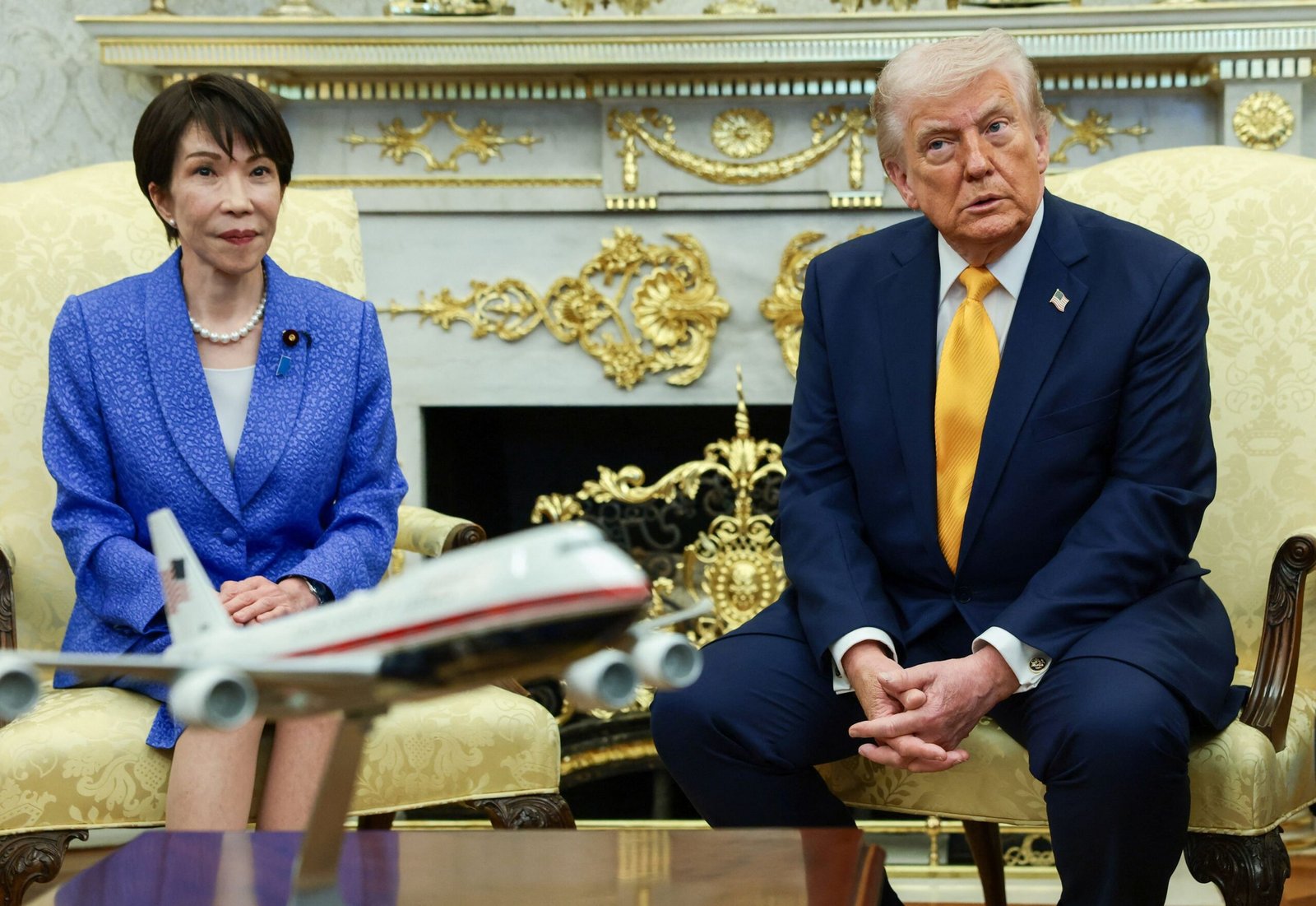
A recent diplomatic meeting between Donald Trump and Japan’s Prime Minister has sparked global debate after Trump made a controversial reference to Pearl Harbor attack while discussing U.S. strikes on Iran. The remarks, delivered during a high-level meeting, have drawn mixed reactions in both the United States and Japan, highlighting the sensitive nature of historical comparisons in international diplomacy.
Controversial Comment During Diplomatic Meeting
During a meeting with Japanese Prime Minister Sanae Takaichi, Trump defended recent U.S. military strikes on Iran by emphasizing the importance of maintaining surprise in military operations. When questioned about why allies were not informed in advance, Trump referenced Japan’s 1941 attack on Pearl Harbor, stating that Japan “knows about surprise” and jokingly asking why the U.S. had not been warned back then.
The comment immediately created an awkward moment during the meeting, as Pearl Harbor remains one of the most sensitive historical events in U.S.-Japan relations. The 1941 attack led to the United States entering World War II and resulted in significant loss of life.
Observers noted that Prime Minister Takaichi appeared visibly uncomfortable but maintained diplomatic composure throughout the exchange.
Reaction in Japan and Global Response
Trump’s remarks triggered mixed reactions across Japan. Some individuals viewed the comment as a casual or offhand remark, while others expressed discomfort due to the historical significance of Pearl Harbor.
Critics argued that referencing such a tragic event in a diplomatic setting was inappropriate, especially during discussions about an ongoing conflict. Others said the comment risked undermining the strong alliance between the United States and Japan.
Globally, the moment quickly spread across social media platforms, with clips of the interaction going viral. Analysts and commentators debated whether the remark reflected a broader shift in diplomatic tone during ongoing geopolitical tensions.
Context: Iran Conflict and Rising Tensions
The controversy comes at a time of escalating conflict involving Iran, Israel, and the United States. Recent U.S. and Israeli strikes on Iranian targets have intensified tensions across the Middle East.
Trump defended the decision to keep the strikes confidential, stating that surprise was essential to the operation’s success.
However, the lack of prior communication with allies has raised concerns among international partners, particularly in Asia and Europe.
The situation has also affected global energy markets, as tensions in the Gulf region threaten key oil shipping routes. Governments worldwide are closely monitoring the developments and calling for restraint.
Diplomatic Sensitivity and Historical Context
The reference to Pearl Harbor is especially sensitive because of its historical impact. The attack on December 7, 1941, resulted in more than 2,000 American deaths and marked a turning point in global history.
Although the United States and Japan are now close allies, the event remains a symbol of conflict and tragedy. Diplomatic interactions between the two countries typically avoid direct references to such historical incidents.
Experts say that invoking historical events in modern political discussions can sometimes create unintended tension, particularly when those events carry emotional or symbolic weight.
Political and Strategic Implications
The incident also highlights the broader challenges of managing international relationships during times of conflict. While strong rhetoric can sometimes reinforce a political message, it may also complicate diplomatic efforts.
Trump’s approach to foreign policy has often included direct and unconventional communication styles. Supporters argue that this reflects transparency and strength, while critics believe it can create unnecessary friction with allies.
In this case, the Pearl Harbor remark has added another layer of complexity to U.S.-Japan relations at a time when cooperation is critical, especially in addressing regional security concerns.
Media Coverage and Public Debate
News outlets around the world have covered the incident extensively, focusing on both the remark itself and the reactions it generated. The story has become part of a larger discussion about political communication, historical awareness, and diplomatic responsibility.
Public opinion remains divided. Some view the moment as a minor diplomatic misstep, while others see it as a significant example of how language can influence international perceptions.
Conclusion
The controversy surrounding Trump’s Pearl Harbor comment underscores the importance of careful communication in international diplomacy. As global tensions rise due to the ongoing Iran conflict, maintaining strong relationships with allies remains essential.
While the remark may have been intended as a defense of military strategy, its historical reference has sparked debate and highlighted the delicate balance required in diplomatic interactions.
As the situation continues to develop, leaders around the world are likely to remain cautious in both their actions and their words, recognizing that even brief comments can have far-reaching implications in today’s interconnected global landscape.

A recent diplomatic meeting between Donald Trump and Japan’s Prime Minister has sparked global debate after Trump made a controversial reference to Pearl Harbor attack while discussing U.S. strikes on Iran. The remarks, delivered during a high-level meeting, have drawn mixed reactions in both the United States and Japan, highlighting the sensitive nature of historical comparisons in international diplomacy.
Controversial Comment During Diplomatic Meeting
During a meeting with Japanese Prime Minister Sanae Takaichi, Trump defended recent U.S. military strikes on Iran by emphasizing the importance of maintaining surprise in military operations. When questioned about why allies were not informed in advance, Trump referenced Japan’s 1941 attack on Pearl Harbor, stating that Japan “knows about surprise” and jokingly asking why the U.S. had not been warned back then.
The comment immediately created an awkward moment during the meeting, as Pearl Harbor remains one of the most sensitive historical events in U.S.-Japan relations. The 1941 attack led to the United States entering World War II and resulted in significant loss of life.
Observers noted that Prime Minister Takaichi appeared visibly uncomfortable but maintained diplomatic composure throughout the exchange.
Reaction in Japan and Global Response
Trump’s remarks triggered mixed reactions across Japan. Some individuals viewed the comment as a casual or offhand remark, while others expressed discomfort due to the historical significance of Pearl Harbor.
Critics argued that referencing such a tragic event in a diplomatic setting was inappropriate, especially during discussions about an ongoing conflict. Others said the comment risked undermining the strong alliance between the United States and Japan.
Globally, the moment quickly spread across social media platforms, with clips of the interaction going viral. Analysts and commentators debated whether the remark reflected a broader shift in diplomatic tone during ongoing geopolitical tensions.
Context: Iran Conflict and Rising Tensions
The controversy comes at a time of escalating conflict involving Iran, Israel, and the United States. Recent U.S. and Israeli strikes on Iranian targets have intensified tensions across the Middle East.
Trump defended the decision to keep the strikes confidential, stating that surprise was essential to the operation’s success.
However, the lack of prior communication with allies has raised concerns among international partners, particularly in Asia and Europe.
The situation has also affected global energy markets, as tensions in the Gulf region threaten key oil shipping routes. Governments worldwide are closely monitoring the developments and calling for restraint.
Diplomatic Sensitivity and Historical Context
The reference to Pearl Harbor is especially sensitive because of its historical impact. The attack on December 7, 1941, resulted in more than 2,000 American deaths and marked a turning point in global history.
Although the United States and Japan are now close allies, the event remains a symbol of conflict and tragedy. Diplomatic interactions between the two countries typically avoid direct references to such historical incidents.
Experts say that invoking historical events in modern political discussions can sometimes create unintended tension, particularly when those events carry emotional or symbolic weight.
Political and Strategic Implications
The incident also highlights the broader challenges of managing international relationships during times of conflict. While strong rhetoric can sometimes reinforce a political message, it may also complicate diplomatic efforts.
Trump’s approach to foreign policy has often included direct and unconventional communication styles. Supporters argue that this reflects transparency and strength, while critics believe it can create unnecessary friction with allies.
In this case, the Pearl Harbor remark has added another layer of complexity to U.S.-Japan relations at a time when cooperation is critical, especially in addressing regional security concerns.
Media Coverage and Public Debate
News outlets around the world have covered the incident extensively, focusing on both the remark itself and the reactions it generated. The story has become part of a larger discussion about political communication, historical awareness, and diplomatic responsibility.
Public opinion remains divided. Some view the moment as a minor diplomatic misstep, while others see it as a significant example of how language can influence international perceptions.
Conclusion
The controversy surrounding Trump’s Pearl Harbor comment underscores the importance of careful communication in international diplomacy. As global tensions rise due to the ongoing Iran conflict, maintaining strong relationships with allies remains essential.
While the remark may have been intended as a defense of military strategy, its historical reference has sparked debate and highlighted the delicate balance required in diplomatic interactions.
As the situation continues to develop, leaders around the world are likely to remain cautious in both their actions and their words, recognizing that even brief comments can have far-reaching implications in today’s interconnected global landscape.
by https://moditoilet.com/
Tags:
diplomatic controversy Trumpglobal politics newsinternational relations US JapanIran war escalationJapan reaction Pearl Harbor commentMiddle East conflict updatesPearl Harbor remark controversySanae Takaichi reactionTrump Iran strikes reactionTrump Japan meetingTrump Pearl Harbor commentUS foreign policy debateUS Iran conflict newsUS Japan relationsShare This Post:
Related Post
King Charles III and Queen Camilla Attend State