

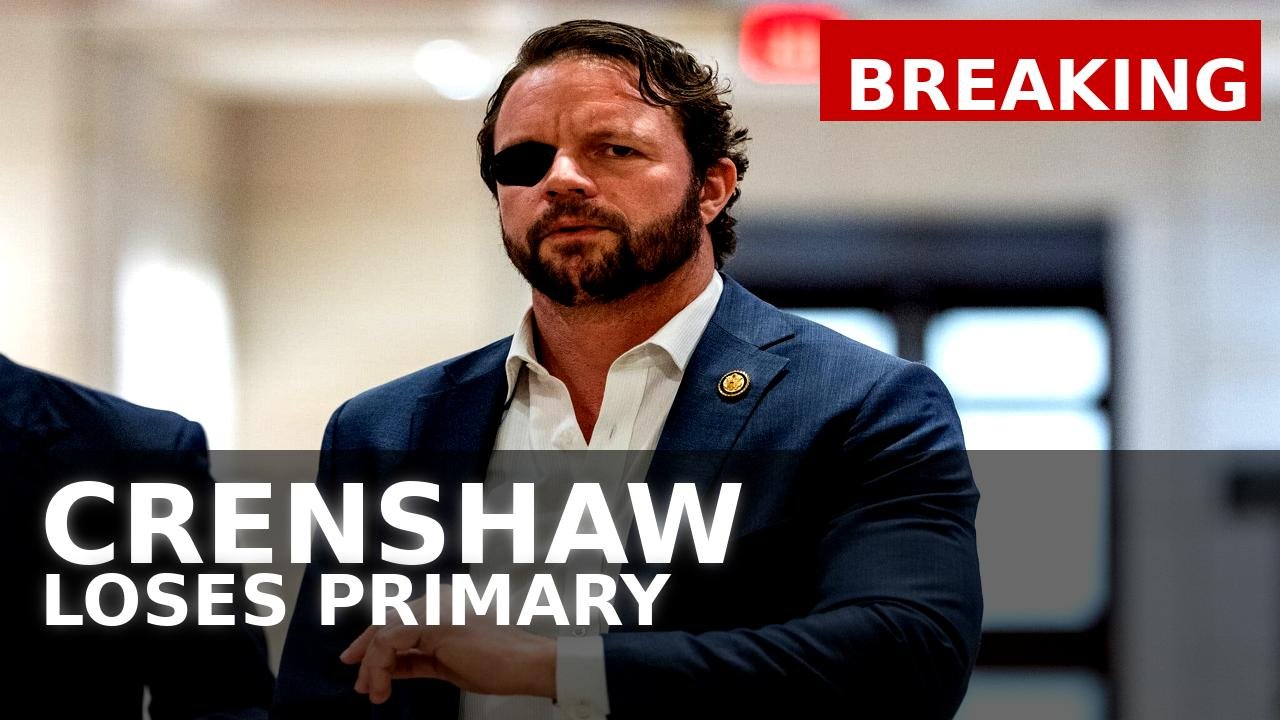
Dan Crenshaw Loses Texas GOP Primary to Cruz-Backed Challenger, Signaling Rising MAGA Influence
In a closely watched Texas Republican primary, Representative Dan Crenshaw has been defeated by a challenger backed by Senator Ted Cruz, marking a significant moment in the shifting dynamics of Republican politics in the state. The result highlights growing support for candidates aligned with the MAGA movement and reflects increasing pressure on incumbent lawmakers from their own party’s base.
Crenshaw, a well-known Republican congressman from Texas, had built a reputation as a prominent voice within the party. First elected to the U.S. House of Representatives in 2018, he quickly gained national attention for his policy positions, media presence, and strong stance on national security and economic issues. However, despite his experience and recognition, he faced a tough challenge in the Republican primary from a candidate strongly supported by Senator Ted Cruz and conservative grassroots groups.
The primary race became a focal point for broader political debates within the Republican Party. In recent years, tensions have grown between establishment Republicans and candidates more closely aligned with former President Donald Trump’s MAGA movement. The outcome of this primary appears to reinforce the influence of MAGA-backed candidates within GOP voter bases, particularly in states like Texas where conservative activism remains strong.
Throughout the campaign, Crenshaw’s challenger emphasized themes popular among conservative voters, including stronger border policies, government accountability, and criticism of Washington insiders. The campaign also benefited from endorsements by influential conservative figures, including Senator Ted Cruz, which helped boost the challenger’s visibility and credibility among Republican voters.
Political analysts say the result reflects a broader national trend in which incumbent lawmakers face growing pressure from primary challengers who position themselves as more aligned with grassroots conservative priorities. Over the past several election cycles, similar races across the country have shown that Republican primary voters are increasingly willing to replace sitting members of Congress with candidates they believe better represent the party’s ideological direction.
For Crenshaw, the loss represents a surprising end to what many expected to be a competitive but manageable primary contest. Despite strong fundraising numbers and name recognition, the campaign struggled to counter the narrative that the challenger represented a stronger connection to the MAGA movement and conservative voters seeking change.
The race also drew national attention because of Crenshaw’s role as a high-profile Republican figure. Known for his outspoken commentary on political and policy issues, he frequently appeared in national media and was considered part of a group of younger Republican leaders shaping the party’s future. His defeat signals that even well-known incumbents may face serious challenges if they lose favor with their party’s most active voters.
Senator Ted Cruz’s endorsement played a key role in shaping the outcome of the race. Cruz remains a highly influential figure within Texas Republican politics, and his support helped rally conservative activists and donors behind the challenger. Political observers note that endorsements from prominent figures can have a significant impact in primaries, particularly when the race centers on ideological alignment within the party.
The result also underscores the importance of primary elections in determining the direction of political parties in the United States. While general elections often attract the most attention nationally, primaries frequently reveal deeper shifts in party priorities and voter attitudes.
Looking ahead, the victory of the Cruz-backed candidate could strengthen the influence of MAGA-aligned lawmakers within the Republican conference if the challenger goes on to win the general election. For many conservative activists, the result represents a validation of their efforts to reshape the party around issues such as border security, economic nationalism, and opposition to federal expansion.
At the same time, the outcome raises questions about the future of moderate or establishment-aligned Republicans who must navigate a political environment increasingly shaped by ideological loyalty tests within their own party.
As the election season continues, political analysts will closely watch whether similar primary challenges emerge in other states. The defeat of a prominent incumbent like Dan Crenshaw suggests that Republican voters remain deeply engaged and willing to reshape their party’s leadership through competitive primaries.
Ultimately, the Texas GOP primary serves as another example of how rapidly political landscapes can evolve. With grassroots movements, endorsements, and voter priorities all playing critical roles, the outcome reflects not only a single race but also a broader shift within the Republican Party heading into the next phase of national politics.