

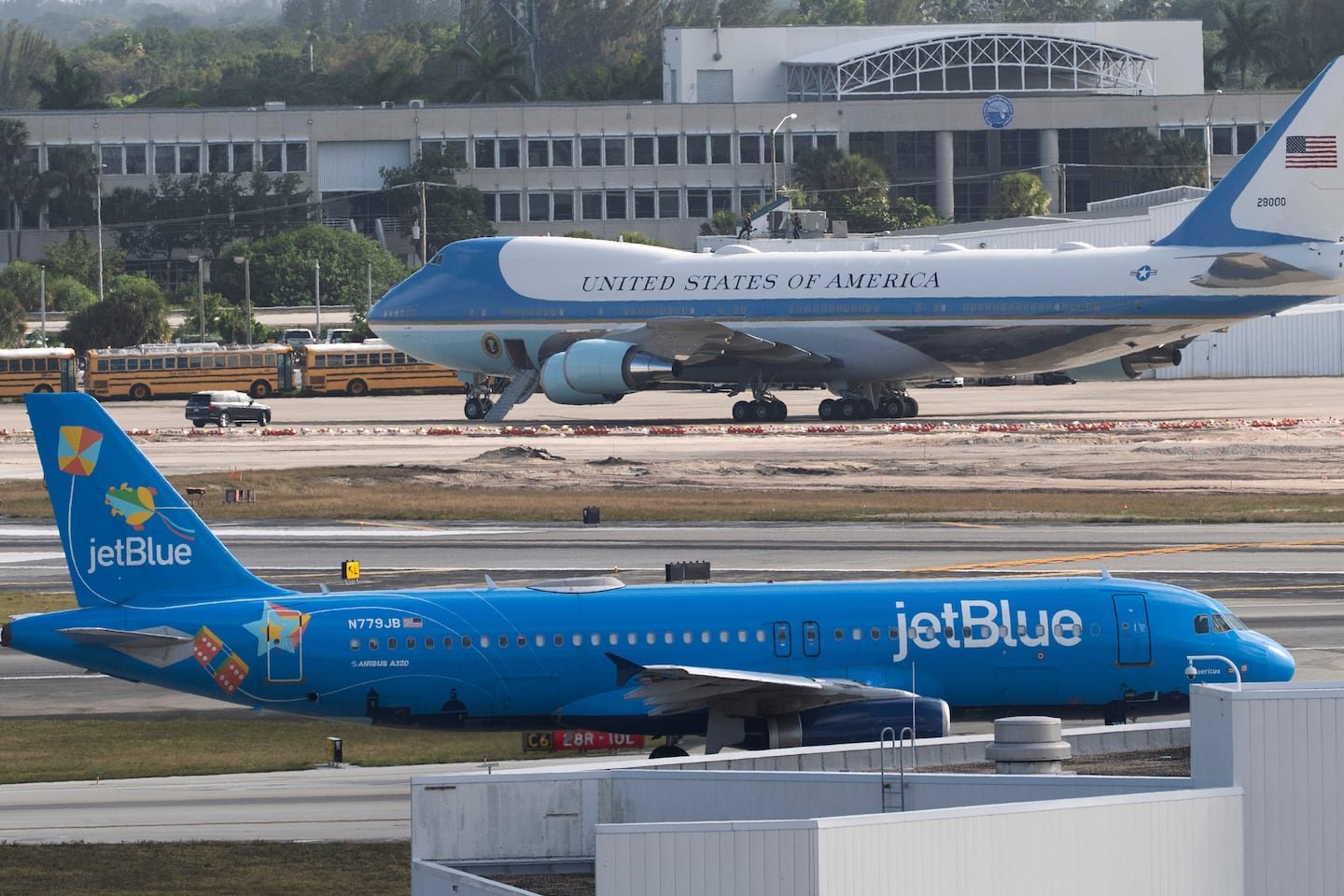
A temporary disruption in airline operations occurred after the Federal Aviation Administration (FAA) briefly halted departures of JetBlue flights across the United States due to a system outage. The ground stop, which was issued following a request from the airline, caused delays at several airports before operations gradually returned to normal.
The incident raised concerns among travelers and aviation authorities, highlighting how technical problems can quickly affect airline schedules and airport operations nationwide.
FAA Issues Temporary Ground Stop
According to aviation officials, the FAA implemented a ground stop for JetBlue aircraft after the airline reported technical issues affecting its systems. A ground stop is a precautionary measure used to temporarily prevent aircraft from departing airports while authorities address operational or safety concerns.
The halt applied to JetBlue flights scheduled to depart from airports across the country. During this period, flights already in the air were allowed to continue to their destinations, but new departures were delayed until the issue could be resolved.
The FAA confirmed that the measure was taken at the airline’s request while technicians worked to address the system outage affecting flight operations.
System Outage Disrupts Flight Departures
JetBlue stated that the disruption was linked to a temporary technology issue that affected its internal systems. These systems are responsible for coordinating flight planning, scheduling, and communication between pilots, crew members, and airport staff.
When such systems experience problems, airlines may face difficulties managing departures safely and efficiently. As a result, temporary ground stops can be implemented until normal operations resume.
Airlines depend heavily on digital systems to manage complex logistics involving aircraft, passengers, crew schedules, and airport coordination. Even short technical interruptions can lead to delays across multiple airports.
FAA Cancels Ground Stop After Issue Resolved
After technicians worked to resolve the system issue, the FAA lifted the ground stop, allowing JetBlue flights to resume normal departures. Officials confirmed that the pause lasted only a short period before airline operations were restored.
Once the system outage was addressed, airports began clearing backlogged flights and working to reduce delays for passengers.
JetBlue also issued updates to travelers through its website and mobile app, advising passengers to check their flight status before heading to the airport.
Passenger Impact Across U.S. Airports
Although the ground stop lasted only briefly, the disruption still affected travelers at several major airports. Some passengers experienced delayed departures while airline staff worked to adjust schedules and restore operations.
Air travel schedules are tightly coordinated, meaning even a short interruption can create ripple effects across the network. Flights departing later in the day may also experience delays as airlines reposition aircraft and crews.
Travelers were encouraged to monitor airline notifications and airport updates for the latest information regarding their flights.
Growing Dependence on Aviation Technology
The incident highlights how modern aviation relies on sophisticated technology systems to keep flights running smoothly. Airlines use advanced software to coordinate everything from aircraft routing and weather monitoring to crew management and passenger bookings.
While these systems improve efficiency and safety, they also make airline operations vulnerable to technical outages. When systems fail or experience disruptions, airlines must act quickly to minimize delays and ensure passenger safety.
In recent years, the aviation industry has experienced several technology-related disruptions that temporarily affected airline operations. These incidents have led to increased focus on improving system reliability and backup infrastructure.
FAA’s Role in Maintaining Safety
The Federal Aviation Administration plays a critical role in overseeing aviation safety in the United States. When technical or operational issues arise, the FAA works closely with airlines to implement measures that protect passengers and ensure safe flight operations.
Ground stops are one of the tools used by the agency to manage air traffic safely during unexpected situations. While they may cause temporary inconvenience for travelers, these measures help maintain the safety and reliability of the aviation system.
Airline Operations Return to Normal
Following the resolution of the system outage, JetBlue confirmed that flights were gradually returning to normal schedules. Airline staff worked to rebook passengers affected by delays and assist travelers who experienced disruptions.
The airline thanked passengers for their patience and reassured customers that the issue had been resolved.
Conclusion
The brief FAA ground stop affecting JetBlue flights demonstrates how quickly technical problems can disrupt airline operations. Although the interruption lasted only a short time, it affected departures across several airports and temporarily delayed passengers.
With the issue resolved and flights returning to normal schedules, the incident serves as a reminder of the importance of reliable technology systems in modern aviation.
As airlines continue to modernize their operations, maintaining strong technology infrastructure will remain essential to ensuring smooth and efficient air travel for millions of passengers worldwide.