
Iran’s political landscape has entered a new and uncertain phase following the rise of Mojtaba Khamenei, the son of former Supreme Leader Ayatollah Ali Khamenei. His sudden emergence as Iran’s top leader comes amid an escalating conflict with Israel and growing international scrutiny. The story behind Mojtaba Khamenei’s rise involves political intrigue, internal rivalries, and shifting power dynamics within Iran’s leadership.
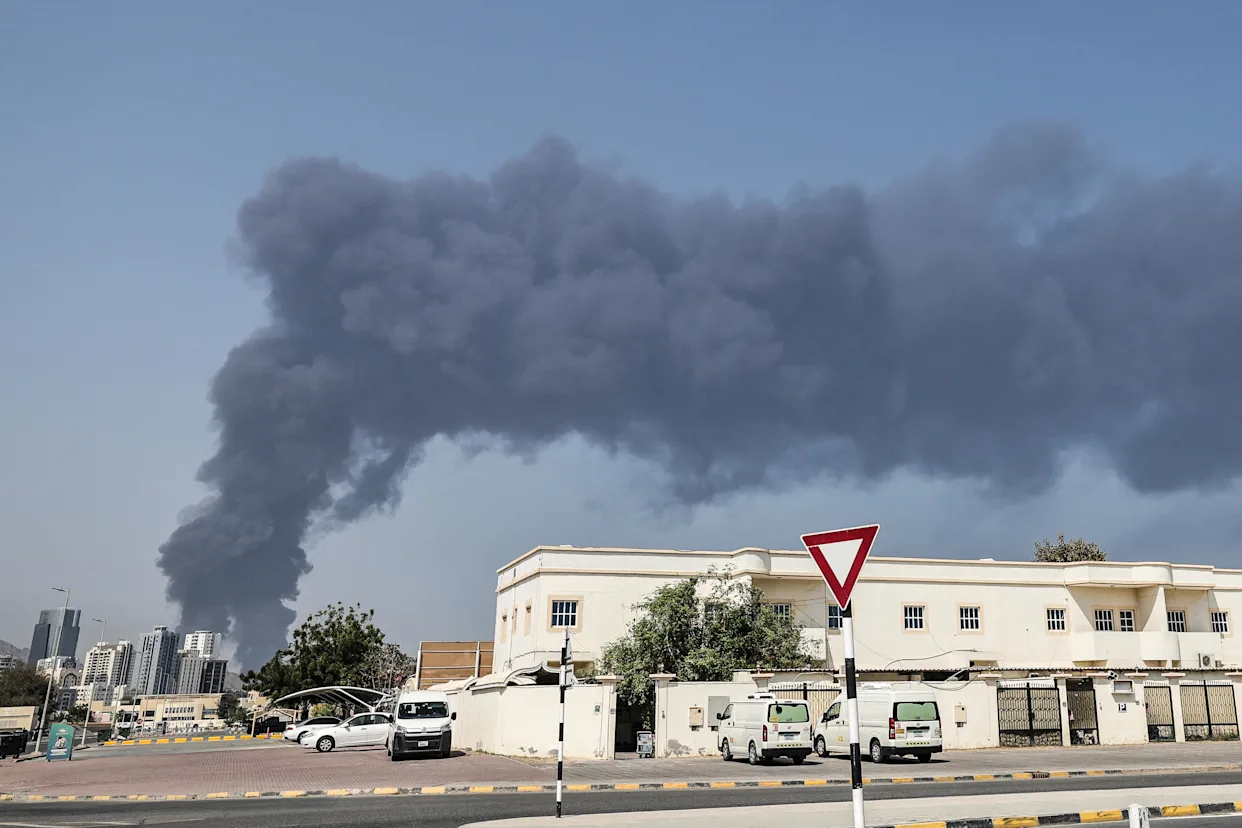
Recent developments have placed Iran at the center of global attention as Israeli strikes and U.S. involvement intensify tensions across the Middle East.
Mojtaba Khamenei’s Rise to Power
Mojtaba Khamenei, a mid-ranking cleric and longtime insider within Iran’s ruling system, has long been viewed as an influential figure behind the scenes. For years he operated within the inner circle of his father, Ayatollah Ali Khamenei, who led Iran from 1989 until his death during the early stages of the current conflict.
After the death of the elder Khamenei during U.S.–Israeli airstrikes, Iran’s leadership quickly moved to fill the power vacuum. The Assembly of Experts, the body responsible for choosing Iran’s Supreme Leader, announced Mojtaba Khamenei as the new leader.
However, the decision has sparked debate both inside and outside Iran. Critics argue that transferring leadership from father to son resembles hereditary succession, something the 1979 Iranian Revolution originally sought to eliminate.
Role of the Revolutionary Guards
One of the most significant factors behind Mojtaba Khamenei’s rise has been the support of the Islamic Revolutionary Guard Corps (IRGC). The powerful military organization is widely believed to have backed his leadership and helped secure his position.
Reports indicate that the Revolutionary Guards played a decisive role in convincing religious authorities to support Mojtaba’s appointment.
The IRGC has long been a dominant force in Iranian politics, controlling major economic assets and playing a central role in national security decisions. Their backing has allowed Mojtaba to consolidate influence quickly, even though he lacks the religious stature of many senior clerics.
A Leader Who Once Operated in the Shadows
Before becoming Supreme Leader, Mojtaba Khamenei rarely appeared in public or delivered speeches. Instead, he built his reputation as a strategist operating behind the scenes within his father’s political network.
He reportedly helped manage his father’s office and played an important role in maintaining relationships with security institutions and conservative political factions.
Because of this background, many analysts view Mojtaba as a political operator rather than a traditional religious authority.
Uncertainty About Iran’s Leadership
Another unusual aspect of Mojtaba Khamenei’s leadership is the mystery surrounding his public presence. Since being named Supreme Leader, he has made very few public appearances.
This absence has fueled speculation about his health and the internal structure of Iran’s government. Some Western officials have even questioned whether he is currently able to exercise full authority.
At the same time, Iran’s Revolutionary Guards appear to be taking a larger role in managing military operations during the conflict.
Domestic and International Reactions
Inside Iran, reactions to Mojtaba Khamenei’s leadership have been mixed. Supporters see him as a continuation of his father’s political legacy and a defender of the Islamic Republic.
Critics, however, worry that his rise could deepen internal divisions and strengthen the influence of the military over religious institutions.
Internationally, governments are closely watching how Iran’s leadership transition will affect the ongoing conflict with Israel and broader Middle East stability.
The uncertainty surrounding Iran’s leadership could have significant consequences for diplomacy, global energy markets, and security in the region.
What Comes Next for Iran
As the war continues and regional tensions escalate, Mojtaba Khamenei faces enormous challenges. He must consolidate political authority within Iran while managing a complex military confrontation with Israel and navigating international pressure.
Whether he can maintain stability inside the country remains an open question.
For now, the rise of Mojtaba Khamenei represents one of the most dramatic leadership transitions in Iran’s modern history. His leadership will likely shape the future of Iran’s political system and its role in the Middle East for years to come.